How Swift Transaction Tools Shape Mobile Live Table Play on Britain's Regulated Gaming Platforms
Drew Franke · Sep 19, 2026
How Swift Transaction Tools Shape Mobile Live Table Play on Britain's Regulated Gaming Platforms
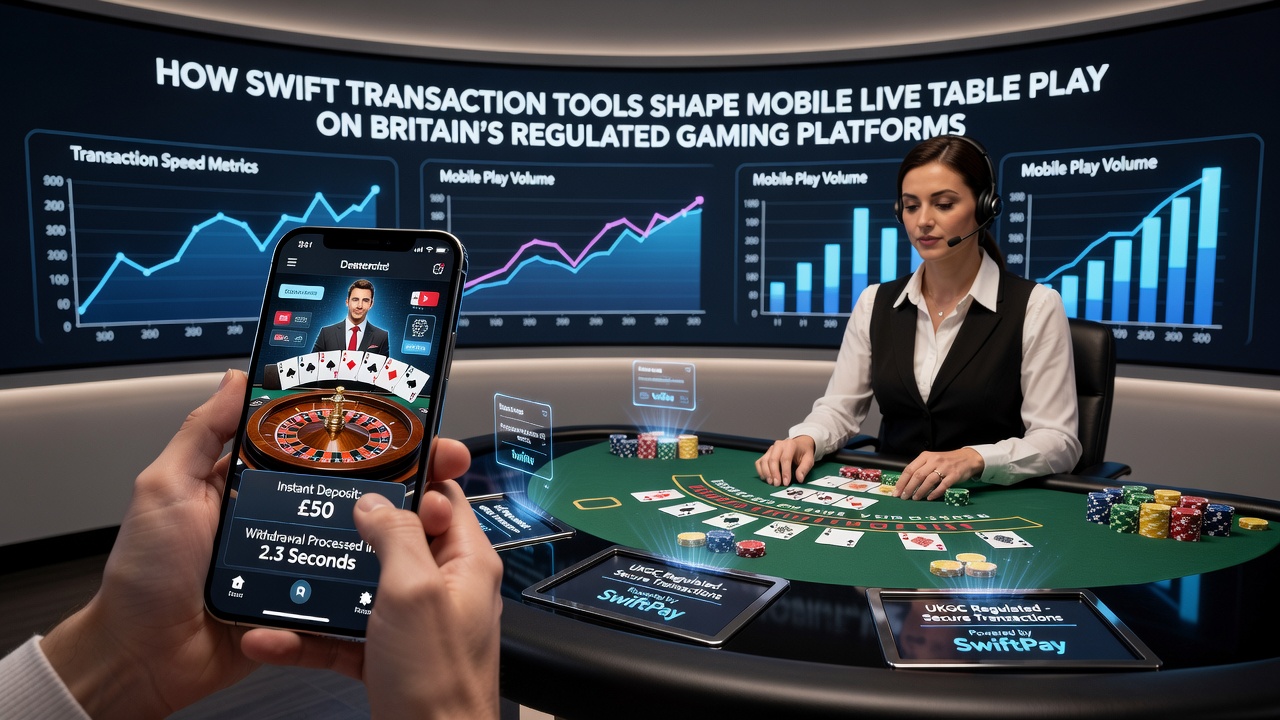
Britain's regulated gaming platforms rely on swift transaction tools to support continuous mobile live table sessions where players engage with dealers in blackjack, roulette and poker variants through smartphone applications, and these tools facilitate instant deposits that keep gameplay flowing without extended interruptions while maintaining compliance with financial oversight requirements.
Payment Integration in Live Mobile Environments
Swift transaction tools encompass systems such as Faster Payments Service alongside digital wallets that enable transfers to complete within seconds, and operators on British platforms incorporate these into mobile interfaces so users can fund accounts mid-session without exiting the live table view. Research from the European Gaming and Betting Association indicates that platforms adopting such tools record higher session durations because players complete deposits through biometric authentication or stored card details that sync directly with the game lobby.
Live table play demands constant connectivity between the mobile device and the dealer feed, while transaction processing runs in the background through APIs that verify funds without pausing the stream, and this setup allows participants to place bets immediately after a quick top-up even when table minimums require larger balances than initially deposited. Data shows that integration of these tools reduces average wait times for balance updates from minutes to under five seconds on compliant platforms.
Security Protocols and Regulatory Alignment
Regulated environments require transaction tools to incorporate multi-factor verification and encryption standards that align with broader financial directives, and mobile applications on these platforms embed these checks at the point of deposit to prevent delays during live rounds. Observers note that platforms which streamline these protocols through partnerships with established payment providers maintain uninterrupted table access because verification occurs in parallel with the ongoing game feed rather than sequentially.
One study from the University of Nevada Gaming Research Center examined transaction flows across international markets and found that systems processing payments in real time correlate with fewer session abandonments during live dealer interactions, and British platforms apply similar architectures to meet local standards while supporting features like instant withdrawals that return funds to linked accounts without disrupting future play sessions.
Mobile Interface Adaptations and User Flow
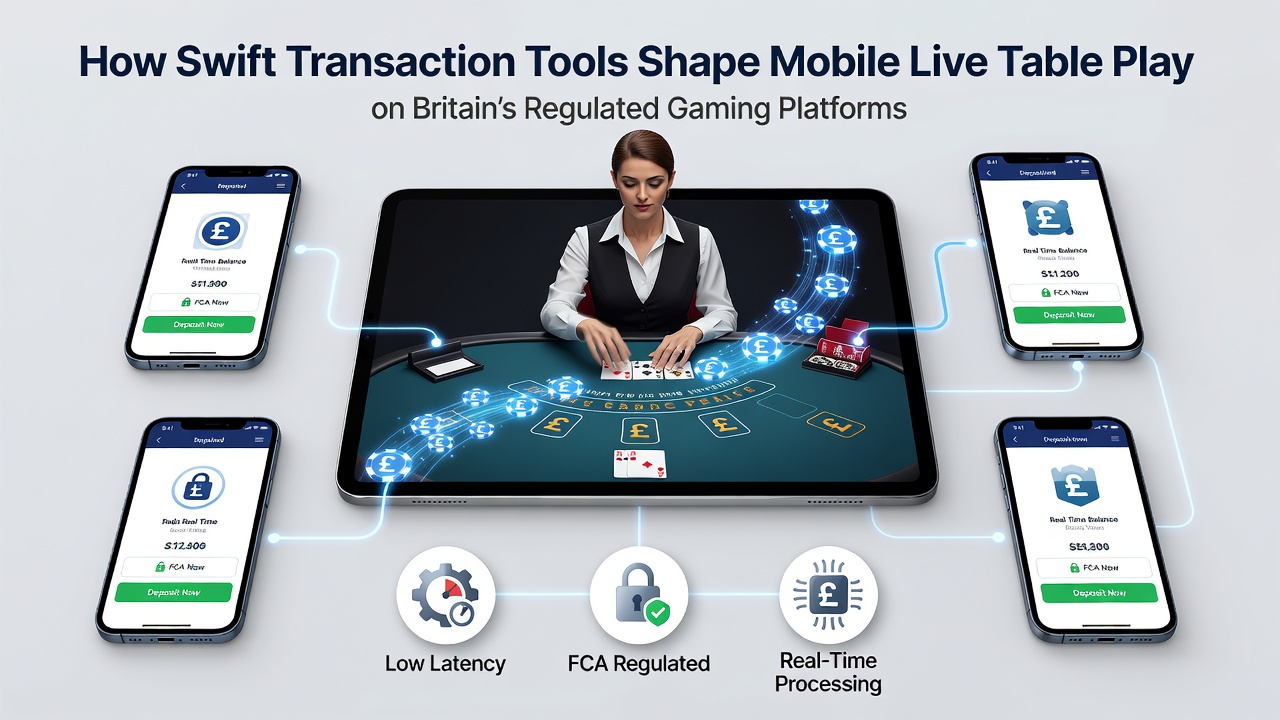
Developers design mobile live table interfaces with transaction panels that overlay minimally on the dealer video, and swift tools allow these panels to process payments through touch gestures that confirm amounts without switching applications. Players often discover that pre-authorized limits set within the wallet reduce confirmation steps, which keeps focus on table decisions during high-stakes rounds where timing matters.
What's interesting is that platforms update these interfaces regularly to accommodate new wallet options, and data from industry reports reveal increased adoption rates when tools support regional bank transfers that settle immediately on British networks. In September 2026 updated interoperability standards between payment rails and gaming software are scheduled to expand across regulated operators, which should further synchronize transaction speeds with the demands of live mobile environments.
Operational Impacts on Platform Performance
Operators track metrics such as deposit success rates and average processing intervals to optimize live table offerings, and swift transaction tools contribute to these figures by minimizing technical friction that could otherwise affect game pacing. Experts have observed that platforms prioritizing these tools experience steadier player retention during peak hours because users encounter fewer prompts to leave the table for account management.
Case examples from various regulated markets demonstrate how integrated payment solutions handle volume spikes without latency, and British platforms apply comparable infrastructure to support thousands of simultaneous live sessions on mobile devices. This approach connects directly to backend systems that reconcile transactions in real time, ensuring table integrity remains intact even as balances fluctuate rapidly.
Conclusion
Swift transaction tools continue to influence mobile live table play on Britain's regulated platforms through seamless funding mechanisms that support uninterrupted engagement, and ongoing developments in payment technology align with existing regulatory frameworks to sustain these capabilities. Platforms that embed these tools effectively maintain operational consistency across live dealer formats while meeting standards for security and speed.