How UK Licensing Shapes Seamless Integration of Pay N Play Systems with Live Dealer Mobile Slots
Drew Franke · Aug 21, 2026

How UK Licensing Shapes Seamless Integration of Pay N Play Systems with Live Dealer Mobile Slots
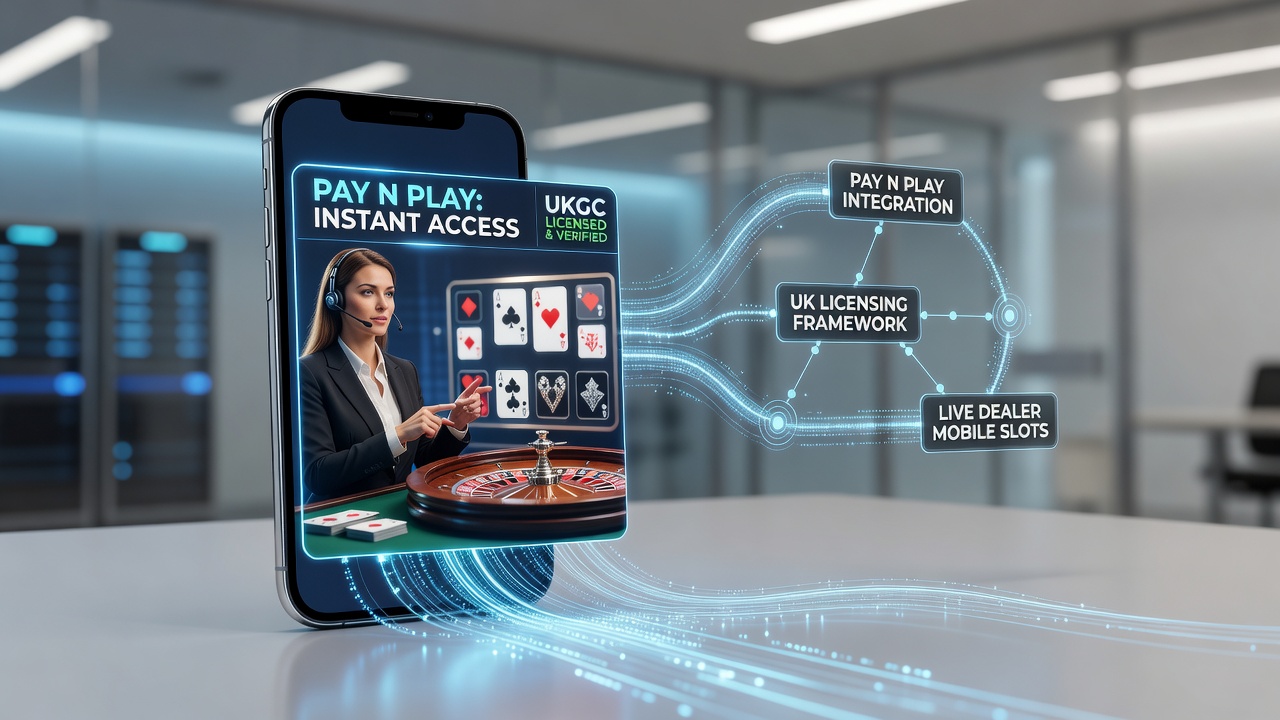
UK licensing frameworks establish clear technical and operational standards that operators must follow when combining Pay N Play payment solutions with live dealer mobile slots, and these rules directly influence how quickly players can move from deposit to gameplay without separate registration steps. Pay N Play technology, which relies on instant bank transfers through third-party providers, aligns with licensing expectations around identity verification because the payment rails themselves carry verified user data from participating banks. Operators therefore configure their mobile platforms to recognise these verified deposits and route players straight into live dealer environments where real-time video streams and betting interfaces load within the same session.
Regulatory Standards Guiding Payment and Gameplay Flows
Licensed operators implement Pay N Play by embedding specific API connections that satisfy data protection and transaction monitoring requirements set out in the licensing conditions, which in turn allows the system to confirm player eligibility before any funds reach the live dealer lobby. Studies from the European Gaming and Betting Association indicate that jurisdictions with detailed technical specifications achieve higher rates of seamless mobile integration because operators receive explicit guidance on encryption protocols and session management. Those specifications cover everything from how mobile applications handle session tokens during live dealer rounds to the automatic logging of transactions that occur while players switch between different slot titles hosted by real dealers.
Technical Alignment Between Pay N Play and Live Dealer Platforms
Live dealer mobile slots require continuous video feeds and low-latency betting controls, and UK licensing conditions require operators to demonstrate that Pay N Play deposits do not introduce delays into these real-time elements. System architects therefore design the deposit confirmation process to complete within milliseconds so that the same mobile session can immediately display the dealer table and accept wagers without an intermediate loading screen. Data from industry reports show that platforms using standardised Pay N Play APIs experience fewer interruptions in live streams because the payment layer shares authentication data with the game server, reducing the need for additional verification calls during active play.
Mobile-Specific Requirements Under Licensing Rules
Licensing conditions address mobile device diversity by requiring operators to maintain consistent performance across operating systems and screen sizes, which affects how Pay N Play buttons and live dealer interfaces scale together. Developers respond by creating responsive layouts that keep the deposit flow and the dealer camera view aligned, ensuring that players on smaller screens still receive clear prompts for both payment confirmation and game participation. Research published by the International Center for Responsible Gaming highlights that mobile-first designs meeting these licensing benchmarks record higher session completion rates because the transition from Pay N Play deposit to live dealer interaction remains uninterrupted regardless of device orientation or connection quality.
Developments Anticipated by August 2026
Updated licensing guidance scheduled for August 2026 is expected to introduce refined standards for real-time transaction monitoring within Pay N Play environments, particularly when those systems feed directly into live dealer mobile slots. Operators have already begun testing enhanced logging mechanisms that capture every wager placed immediately after an instant deposit, satisfying the forthcoming emphasis on transparent audit trails. These preparations include upgrades to mobile application architecture so that any future requirement for additional data fields can be incorporated without disrupting the existing Pay N Play to live dealer pathway.
Conclusion
UK licensing continues to define the technical boundaries within which Pay N Play systems integrate with live dealer mobile slots, producing measurable effects on session speed, data security, and cross-device consistency. As operators adapt to both current expectations and the changes planned for August 2026, the same regulatory framework supports further refinements that keep deposit and gameplay processes tightly connected on mobile platforms.