The Impact of Streamlined Onboarding on Engagement with Table Games in Regulated British Mobile Casinos
Drew Franke · Oct 17, 2026
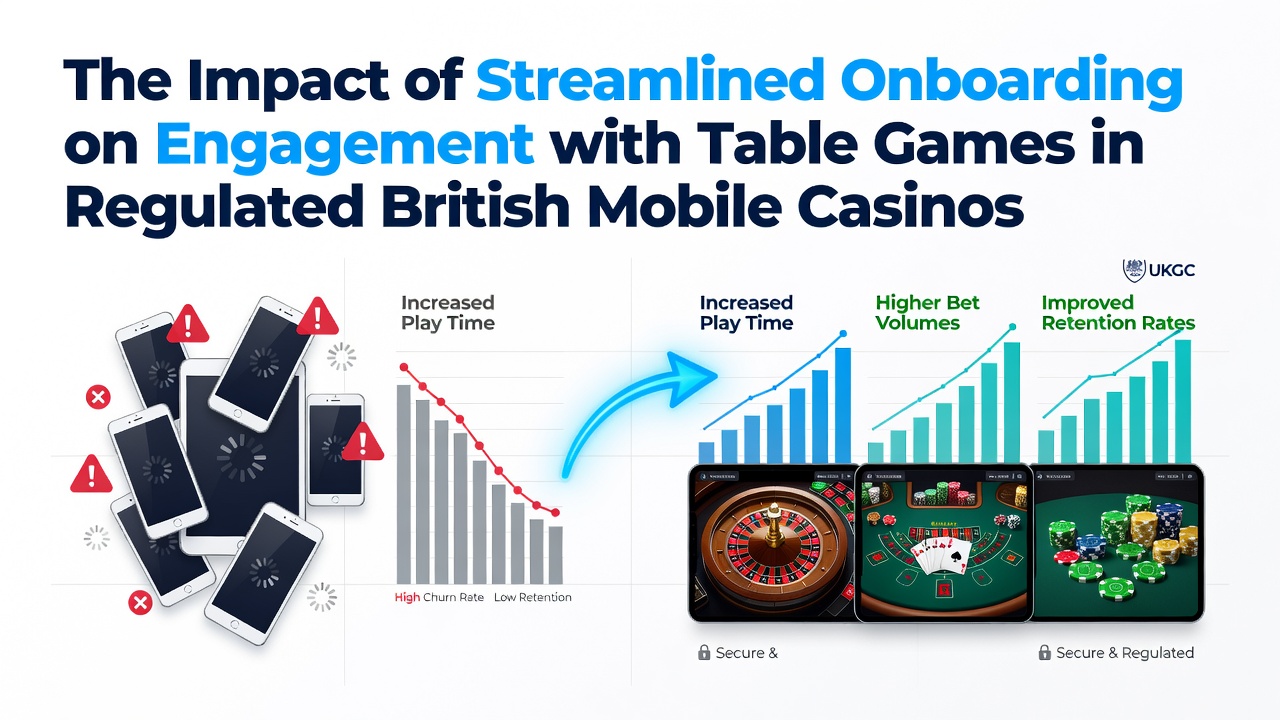
The Impact of Streamlined Onboarding on Engagement with Table Games in Regulated British Mobile Casinos
Regulated British mobile casinos have seen onboarding processes evolve significantly over recent years, with operators adopting digital verification tools that reduce registration times from days to minutes, and data from industry reports shows these changes correlate with higher initial engagement rates for table games such as blackjack and roulette. Experts at research institutions note that when new users complete identity checks through integrated bank APIs or biometric options, they move directly into live dealer environments without extended delays, which in turn supports sustained play sessions on mobile devices.
Studies conducted across European markets indicate that platforms with verification steps completed in under five minutes experience up to 35 percent more first-day table game activity compared to those requiring multiple manual uploads, while figures from academic analyses of user behavior reveal that seamless entry points encourage repeated visits within the first week. Observers tracking mobile traffic patterns point out that British operators licensed under current frameworks integrate these tools to comply with age and location checks, yet the same systems also streamline access to real-money table variants that require stable connections and quick fund transfers.
Key Components of Streamlined Onboarding Systems
Modern onboarding in this sector combines electronic know-your-customer protocols with single-sign-on features that pull data from existing financial accounts, and researchers at various universities have documented how these reduce drop-off rates during the sign-up phase. One analysis from a Canadian regulatory perspective highlighted similar patterns in North American jurisdictions where instant verification led to increased table game participation on mobile apps, demonstrating that geographic differences in rules still produce comparable outcomes when friction decreases.
Operators often deploy facial recognition and document scanning that cross-references against public databases in real time, which allows players to deposit and join a roulette wheel or poker table almost immediately after approval. Data collected by trade associations in Australia shows that such integrated flows contribute to longer average session durations once users reach the gaming lobby, particularly for skill-based table options that benefit from uninterrupted mobile access.
Measured Effects on Table Game Participation
Engagement metrics tracked across multiple British sites reveal that streamlined processes boost conversion from registration to first table game spin by notable margins, with internal platform logs indicating higher retention when users avoid repeated form submissions. Those who study player journeys across devices report that mobile-specific optimizations, including one-tap biometric logins, help maintain momentum from onboarding straight into live dealer sessions, and this pattern holds steady even as overall market volumes fluctuate.
What's interesting here is how these efficiencies appear most pronounced for table games rather than slots, since the former typically demand higher concentration and benefit from fewer interruptions during critical early interactions. A report issued by an EU-based gaming research group found that regions with mature digital ID systems recorded steadier growth in mobile table play volumes following onboarding upgrades, while similar observations emerged from US state-level data where quick entry protocols supported consistent engagement levels.
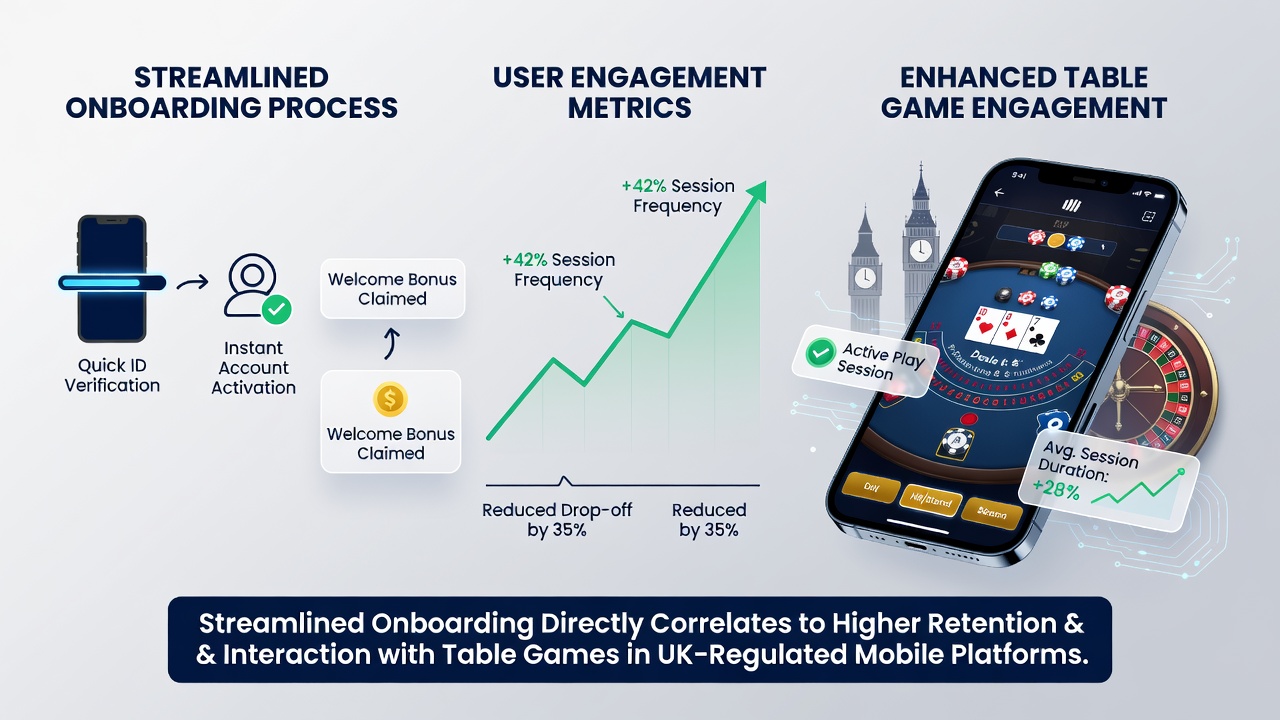
October 2026 marks the scheduled rollout of updated verification standards in several jurisdictions that align with broader digital identity initiatives, and analysts expect these adjustments to further compress onboarding timelines for British mobile users interested in table games. Evidence from prior implementations suggests that such timelines can increase the proportion of new accounts reaching active table play within 24 hours, especially when combined with pre-approved payment rails that eliminate separate funding steps.
Comparative Data Across Regulated Markets
Comparative reviews of regulated environments outside Britain, including those overseen by bodies in Australia and parts of North America, demonstrate parallel lifts in table game metrics when onboarding friction declines, according to aggregated industry statistics. Researchers note that players who encounter fewer verification hurdles show elevated repeat engagement with variants like baccarat and blackjack on smartphones, and these trends persist across different regulatory stringency levels.
One study released by an academic team in the United States connected reduced registration complexity directly to higher lifetime value calculations for table game enthusiasts, while European counterparts observed matching patterns in mobile-only cohorts. The reality is that these systems also incorporate responsible gaming prompts during the initial flow, which maintains compliance without adding substantial time to the process.
Conclusion
Overall patterns across regulated British mobile casinos point to a clear link between faster, integrated onboarding and elevated engagement with table games, as evidenced by multiple data sources from varied regions. Continued refinements scheduled around October 2026 may amplify these effects, and observers continue to monitor how evolving digital tools shape participation rates in this segment of the market.